Escaping Frontier API Lock-In in Late 2026: Multi-Provider Agent Routing, Rate-Limit Failover & Sovereign Fallbacks (Moat vs LiteLLM vs OpenRouter vs Bonsai 2.5)
AgDex Systems & Architecture Team••15 min read•API Routing & Sovereign Inference
Executive Architecture Brief
Late November 2026 delivered a brutal reminder to engineering teams relying on a single frontier model vendor: overnight, OpenAI tightened GPT-6.2 usage caps (Astra hitting limits 40% faster, Sol 25% faster), an Anthropic API customer was hit with an automated distillation accusation giving 24 hours to prove innocence without leaking PII, and Michael Harley's viral essay (1,018 HN points) argued that hosted agents serve their parent companies' policies before their operators. This guide compares Command Code MOAT, OpenRouter, self-hosted LiteLLM Proxy, and PrismML's 5.9 GB Ternary Bonsai 2.5 27B to build a zero-downtime, sovereign multi-provider routing stack.
1. Why Single-Vendor Agent Stacks Broke in Late November 2026
Throughout 2025 and early 2026, most autonomous coding teams hardwired their harnesses to a single flagship API endpoint. By late November 2026, three simultaneous failure modes exposed why single-provider coupling is an operational liability:
+─────────────────────────────────────────────────────────────────────────────────────────────────+
|       Table 1: Late-November 2026 Frontier API Lock-In & Reliability Triggers (Primary Data)    |
+──────────────────────────────────┬───────────────────────────────┬──────────────────────────────+
| Reported Event (Nov 2026)        | Observed Impact / Threshold   | Architectural Lesson         |
+──────────────────────────────────┼───────────────────────────────┼──────────────────────────────+
| OpenAI GPT-6.2 Usage Cuts        | Astra hits limits 40% faster; | Single-vendor quotas can     |
| (HN #50651117, 316 pts)          | Sol 25% faster; chat eats code| shrink overnight w/o warning |
+──────────────────────────────────┼───────────────────────────────┼──────────────────────────────+
| Anthropic Distillation Flag      | Auto-benchmark flagged; given | Opaque abuse classifiers can |
| (Ask HN #50630809, 454 pts)      | 24h to prove negative w/o PII | lock out live prod workloads |
+──────────────────────────────────┼───────────────────────────────┼──────────────────────────────+
| AWS Bedrock / Cloud Caveats      | Covered models not ZDR; ToS/  | Cloud hyperscalers add reps, |
| (HN #50630809 thread)            | CSAM scans still freeze accts | not immunity from suspensions|
+──────────────────────────────────┼───────────────────────────────┼──────────────────────────────+
| Hosted Agent ToS Refusals        | Claude Code blocked Bandcamp  | Cloud agents enforce vendor  |
| (Michael Harley, 1,018 pts)      | lookup while allowing YouTube | policy over operator intent  |
+──────────────────────────────────┴───────────────────────────────┴──────────────────────────────+
First, unannounced quota compression: reports surfaced on Hacker News (item?id=50651117, 316 points) that OpenAI's GPT-6.2 tiers hit usage caps dramatically faster—Astra 40% faster and Sol 25% faster—with chat sessions deducting from coding quotas and 5-hour Codex ceilings exhausting mid-sprint. Second, opaque abuse-classifier lockouts: in Ask HN item?id=50630809 (454 points, 350 comments), a company running automated regression benchmarks whenever AI settings changed received an automated Anthropic distillation accusation with a 24-hour deadline to prove a negative without exposing user data.
Third, policy misalignment and cloud caveats: as Michael Harley documented on November 1, 2026 (1,018 HN points), Claude Code preemptively blocked a user-authorized Bandcamp artist lookup over API challenge policies while happily fetching the same track from YouTube ($0 to the artist). Even migrating to hyperscalers like AWS Bedrock does not confer magic immunity: HN engineers noted that covered models on Bedrock are not strictly zero-data-retention (ZDR), AWS still runs automated ToS/CSAM scans, and accounts can still be suspended pending days-long human review.
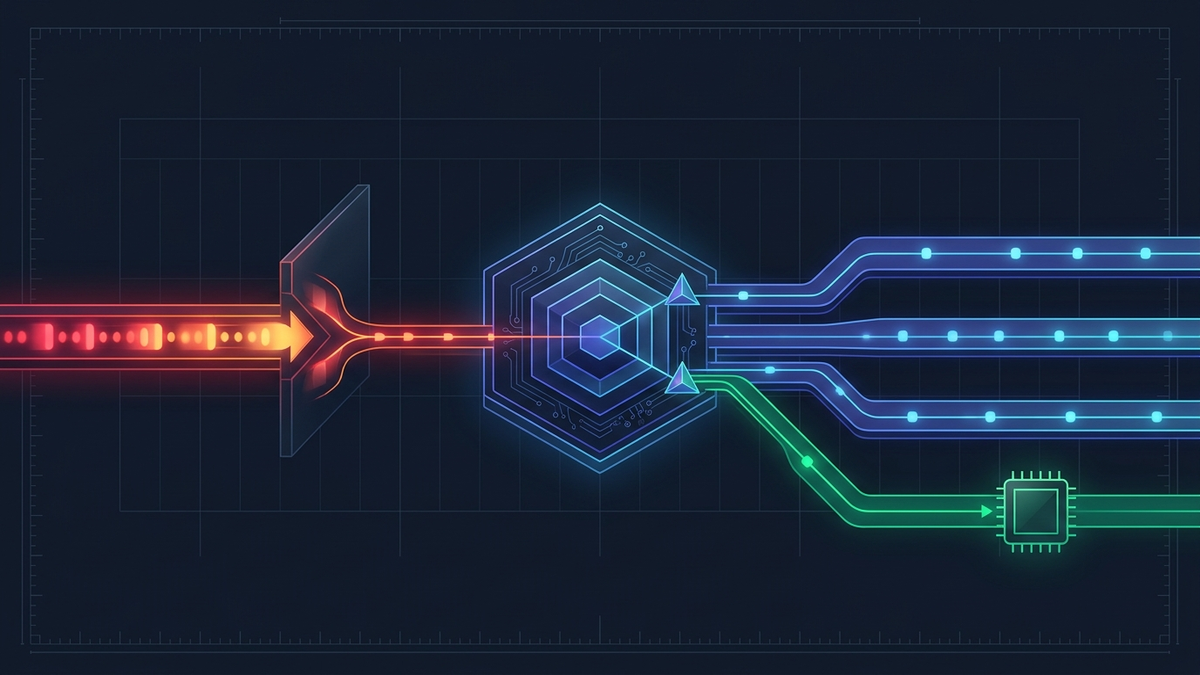
Preventing sudden rate-limit walls, false-positive bans, or vendor policy refusals from halting overnight engineering sprints requires decoupling your agent harness from any single inference endpoint. The architecture below separates routing control from model weights across three independent tiers:
At the routing core sits a proxy or local dispatcher capable of three behaviors missing from naive SDK wrappers:
Automated 429 & Abuse-Flag Cooldowns: When a primary frontier endpoint returns HTTP 429 or an unexpected policy rejection, the router trips a circuit breaker (e.g., 30-second cooldown after 3 failures) and shifts traffic seamlessly to Tier 2.
Cross-Provider Reasoning Normalization: Falling back from Claude to GLM or Qwen breaks if raw encrypted thinking blocks (reasoning.encrypted_content) are replayed across keys; modern routers like LiteLLM automatically strip undecryptable reasoning blobs while preserving readable summaries.
Deterministic Local Sovereign Fallback: If all external clouds throttle, block, or fail compliance checks, Tier 3 routes immediately to a local 5.9 GB ternary model running on a single developer GPU or Mac Studio at over 200 tokens/s.
This layered topology ensures no single pricing change, rate-limit cut, or automated moderation flag can take down your CI/CD or coding agent fleet.
3. Gateway Economics: Command Code MOAT vs. OpenRouter vs. LiteLLM
Choosing the right Tier 1/2 gateway depends on whether you optimize for wholesale token discounts, instant 600+ model diversity with EU/US region pinning, or zero-markup self-hosted sovereignty. Table 2 summarizes verified numbers from primary vendor documentation on November 26, 2026:
+─────────────────────────────────────────────────────────────────────────────────────────────────+
|       Table 2: 2026 AI Routing Gateway & Inference Economics (Verified Primary-Source Specs)    |
+───────────────────────┬──────────────────────┬───────────────────────┬──────────────────────────+
| Gateway / Approach    | Platform Fee Model   | Failover & Privacy    | Best Architectural Fit   |
+───────────────────────┼──────────────────────┼───────────────────────┼──────────────────────────+
| Command Code MOAT     | $5/mo annual ($10 mo)| 0% router fee; no 5h/ | High-volume open-weight  |
| (Cloud Inference)     | Wholesale -40% to-70%| weekly caps; ZDR opt  | agent runs (GLM/DS/Kimi) |
+───────────────────────┼──────────────────────┼───────────────────────┼──────────────────────────+
| OpenRouter            | 5.5% Std / 8% Biz on | Provider order, zdr:  | Rapid 600+ model access, |
| (Pay-as-you-go / BYOK)| credits; BYOK >$25k  | true, eu.openrouter.ai| EU/US region pinning     |
+───────────────────────┼──────────────────────┼───────────────────────┼──────────────────────────+
| LiteLLM Proxy         | $0 (MIT core); self- | Redis cooldowns, RPM/ | Sovereign self-hosted    |
| (64.0k* GitHub, Rust) | hosted infra only    | TPM caps, auto CoT fix| failover & multi-cloud   |
+───────────────────────┼──────────────────────┼───────────────────────┼──────────────────────────+
| Local Ternary Bonsai  | $0 API fee (Apache-  | 100% air-gapped; 5.9GB| Uncensored/offline local |
| 2.5 27B (llama.cpp/MLX| 2.0, local hardware) | footprint on 1 GPU    | fallback & privacy loops |
+───────────────────────┴──────────────────────┴───────────────────────┴──────────────────────────+
Command Code MOAT positions itself explicitly as "the Costco of AI tokens" and an OpenRouter replacement: instead of charging per-credit percentage markups, MOAT charges a flat $5/month annual membership ($10/month monthly) with 0% router fees and no 5-hour or weekly caps across 107 hosted models—unlocking wholesale discounts such as GLM-5.3 Flash (-70%, $0.045/$0.15 per 1M tokens), GLM-5.3 (-65%, $0.49/$1.54), DeepSeek V4.1 Flash (-60%, $0.06/$0.24), and Kimi K3 (-40%, $1.80/$9.00) via OpenAI- and Anthropic-compatible endpoints (https://api.commandcode.ai/inference/v1). Meanwhile, Command Code CLI's separate beta /connect BYOK mode routes 150+ providers directly from your local machine without touching Command Code servers (4.3k GitHub stars, note: no OSS LICENSE file in repo root).
By contrast, OpenRouter remains the broadest aggregator (600+ models across 80+ providers), charging a 5.5% Standard (8% Business) fee on credit purchases and offering $25,000/month of free BYOK inference (5% fee above $25k), alongside granular request-level controls like zdr: true, data_collection: "deny", and dedicated regional endpoints (eu.openrouter.ai, us.openrouter.ai). Finally, LiteLLM (64.0k stars, MIT core, Rust proxy delivering 8ms P95 latency at 1k RPS) gives teams complete self-hosted control at 0% vendor markup.
Below is a production config.yaml for self-hosted LiteLLM Proxy wiring three tiers together: primary Anthropic frontier traffic, automatic failover to Command Code MOAT's 0%-fee GLM-5.3 endpoint, and an air-gapped local Ternary-Bonsai-2.5-27B server. Redis synchronizes allowed_fails: 3 and cooldown_time: 30 across proxy replicas:
If you use OpenRouter directly inside lightweight scripts or want zero-retention provider pinning without running a Redis-backed proxy, enforce strict privacy and throughput ordering inside the provider JSON block—or switch via Command Code CLI (npm i -g command-code):
Pairing LiteLLM's Redis-backed circuit breakers with either MOAT wholesale endpoints or OpenRouter's zdr: true routing eliminates single-vendor outages while keeping request latency predictable.
5. Local Sovereign Fallback: Ternary Bonsai 2.5 27B in 5.9 GB
Cloud gateways alone cannot protect you when a vendor refuses a local workflow on policy grounds or an internet link drops. Published November 24, 2026 by PrismML under the Apache-2.0 License, Ternary Bonsai 2.5 27B (distilled/quantized from Qwen3.8 27B into ternary/2-bit-class weights) shrinks a 27B coding model down to a 5.9 GB footprint—small enough to sit permanently alongside your IDE on consumer hardware:
With Multi-Token Prediction (MTP), Bonsai 2.5 27B generates 291 tokens/s on a single NVIDIA H100 (3,200 tok/s prompt processing) and 204 tokens/s on a consumer RTX 4090 (~3,060 tok/s prompt processing), running natively via llama.cpp (GGUF Q2_0, PQ2_0, PTQ1_0) on NVIDIA/Intel GPUs or MLX (Ternary-Bonsai-2.5-27B-mlx-2bit) on Apple Silicon Macs, iPhones, and iPads.
Crucially, its coding accuracy stays remarkably close to full-precision Qwen3.8 27B—scoring 75.6 on SWE-bench Verified (up from 60.8 on Bonsai 2), 83.0 on LiveCodeBench v6, 60.1 on Terminal-Bench 2.1, and 90.5 on AppWorld—making it a genuinely capable Tier 3 fallback rather than a toy model.
6. Enterprise & MENA/GCC Sovereign Compliance Trade-Offs
Selecting between cloud wholesale hubs and self-hosted proxies requires balancing unit economics against compliance exposure across three operational realities:
For regulated financial, healthcare, defense, and MENA/GCC sovereign enterprises (bound by Saudi PDPL or UAE data residency mandates), routing raw proprietary repositories through public US multi-tenant aggregators—even with ZDR flags—often fails internal InfoSec audits. The cleanest compliant topology runs self-hosted LiteLLM Proxy (MIT) inside a private VPC: Tier 1 targets regionally pinned Bedrock/Vertex or eu.openrouter.ai for non-sensitive scaffolding, while Tier 2/3 routes sensitive repositories exclusively to private vLLM/llama.cpp clusters running Ternary Bonsai 2.5 27B (Apache-2.0) or sovereign Qwen/DeepSeek weights with zero external token egress.
7. Production Migration Checklist, AgDex Ecosystem & Primary Sources
Eliminate single-vendor lock-in across your engineering organization with three concrete steps this week:
Step 1 — Decouple Your Agent Harness Behind One Proxy: Point Claude Code, Codex, and CI eval scripts at a single LiteLLM Proxy or BYOK router URL so switching models or rotating keys requires zero codebase edits.
Step 2 — Add Automated Cooldowns & Multi-Provider Fallbacks: Configure allowed_fails: 3, cooldown_time: 30, and cross-provider fallbacks (e.g., Opus -> MOAT GLM-5.3 / OpenRouter ZDR) so rate-limit cuts or account flags never stall sprints.
Step 3 — Provision a 5.9 GB Local Sovereign Tier: Pull prism-ml/Ternary-Bonsai-2.5-27B-GGUF or the MLX 2-bit build on developer workstations or CI runners as an always-on Apache-2.0 offline fallback.
Q1: Does moving to AWS Bedrock completely eliminate account suspension or ZDR concerns?
Not completely. While AWS Bedrock provides dedicated enterprise account reps unlike direct frontier APIs, HN engineers in thread #50630809 noted that covered Claude models on Bedrock are not strictly ZDR, AWS still runs automated ToS/CSAM scans, and production access can still be suspended pending multi-day human review. Multi-provider routing remains essential.
Q2: How does Command Code MOAT offer 0% router fees compared to OpenRouter's 5.5%–8%?
OpenRouter charges a 5.5% Standard (8% Business) fee on credit purchases and offers $25,000/month of free BYOK inference. Command Code MOAT uses a $5/month annual ($10/month monthly) membership model with 0% router markup, passing through bulk-negotiated wholesale rates (-40% to -70% on models like GLM-5.3 Flash and DeepSeek V4.1 Flash) without per-request markups.
Q3: What happens to Claude/OpenAI reasoning tokens when LiteLLM fails over to another provider?
When LiteLLM fails over across providers or API keys, it automatically strips undecryptable reasoning.encrypted_content and /v1/messages thinking blocks that would otherwise trigger 400 API errors on the backup provider, while preserving readable reasoning summaries and letting you configure encrypted_content_affinity for ordered provider groups.
Q4: Can Ternary Bonsai 2.5 27B actually handle real coding-agent loops locally?
Yes. Weighing just 5.9 GB under an Apache-2.0 license, Ternary Bonsai 2.5 27B scores 75.6 on SWE-bench Verified, 83.0 on LiveCodeBench v6, and 90.5 on AppWorld while running at 204 tokens/s on a consumer RTX 4090 (or natively via MLX on Apple Silicon)—making it a fast, zero-cloud fallback.
Escapando del Bloqueo de APIs Fronterizas en 2026: Enrutamiento Multi-Proveedor, Conmutación ante Límites y Respaldo Soberano (Moat vs LiteLLM vs OpenRouter vs Bonsai 2.5)
Equipo de Sistemas y Arquitectura de AgDex••15 min de lectura•Enrutamiento API e Inferencia Soberana
Resumen Arquitectónico Ejecutivo
Finales de noviembre de 2026 dejó una dura advertencia para los equipos que dependen de un solo proveedor de modelos fronterizos: de la noche a la mañana, OpenAI endureció los límites de uso de GPT-6.2 (Astra alcanza el tope un 40% más rápido y Sol un 25%), una empresa recibió una acusación automática de destilación por parte de Anthropic con solo 24 horas para demostrar su inocencia, y el ensayo viral de Michael Harley (1.018 puntos en HN) recordó que los agentes alojados responden ante sus empresas matrices antes que ante usted. Esta guía compara Command Code MOAT, OpenRouter, LiteLLM Proxy autoalojado y Ternary Bonsai 2.5 27B (5,9 GB).
1. Por Qué Fallaron las Pilas Monoproveedor a Finales de Noviembre de 2026
Durante gran parte de 2026, la mayoría de los equipos conectaron sus agentes de programación a un único endpoint propietario. En noviembre de 2026, tres fallos simultáneos demostraron que el acoplamiento único es un riesgo operativo crítico:
+─────────────────────────────────────────────────────────────────────────────────────────────────+
|       Table 1: Late-November 2026 Frontier API Lock-In & Reliability Triggers (Primary Data)    |
+──────────────────────────────────┬───────────────────────────────┬──────────────────────────────+
| Reported Event (Nov 2026)        | Observed Impact / Threshold   | Architectural Lesson         |
+──────────────────────────────────┼───────────────────────────────┼──────────────────────────────+
| OpenAI GPT-6.2 Usage Cuts        | Astra hits limits 40% faster; | Single-vendor quotas can     |
| (HN #50651117, 316 pts)          | Sol 25% faster; chat eats code| shrink overnight w/o warning |
+──────────────────────────────────┼───────────────────────────────┼──────────────────────────────+
| Anthropic Distillation Flag      | Auto-benchmark flagged; given | Opaque abuse classifiers can |
| (Ask HN #50630809, 454 pts)      | 24h to prove negative w/o PII | lock out live prod workloads |
+──────────────────────────────────┼───────────────────────────────┼──────────────────────────────+
| AWS Bedrock / Cloud Caveats      | Covered models not ZDR; ToS/  | Cloud hyperscalers add reps, |
| (HN #50630809 thread)            | CSAM scans still freeze accts | not immunity from suspensions|
+──────────────────────────────────┼───────────────────────────────┼──────────────────────────────+
| Hosted Agent ToS Refusals        | Claude Code blocked Bandcamp  | Cloud agents enforce vendor  |
| (Michael Harley, 1,018 pts)      | lookup while allowing YouTube | policy over operator intent  |
+──────────────────────────────────┴───────────────────────────────┴──────────────────────────────+
Primero, la compresión repentina de cuotas: en Hacker News (item?id=50651117, 316 puntos) se documentó que los planes GPT-6.2 de OpenAI agotan sus límites mucho antes—Astra un 40% más rápido y Sol un 25% más rápido—consumiendo además cuota de programación desde el chat. Segundo, los bloqueos opacos por clasificadores de abuso: en Ask HN item?id=50630809 (454 puntos, 350 comentarios), una empresa que ejecutaba benchmarks automáticos de regresión recibió un aviso de Anthropic acusándola de destilación con un plazo de 24 horas para probar lo contrario sin exponer datos privados.
Tercero, la desalineación de políticas y las limitaciones de la nube: como relató Michael Harley el 1 de noviembre de 2026 (1.018 puntos), Claude Code bloqueó preventivamente una consulta legítima a la API de Bandcamp mientras permitía descargar la pista gratis desde YouTube. Incluso migrar a AWS Bedrock tiene matices: ingenieros en HN señalaron que los modelos cubiertos en Bedrock no tienen ZDR estricto, AWS ejecuta escaneos automáticos de ToS/CSAM y puede suspender cuentas durante días.
2. Arquitectura de Enrutamiento Resiliente en 3 Niveles (Nube -> Mayorista/ZDR -> Local)
Evitar que un recorte de cuota, un falso positivo o un bloqueo de política detenga sus sprints nocturnos exige desacoplar el agente de cualquier proveedor único mediante tres niveles independientes:
En el núcleo del enrutamiento debe operar un proxy o despachador local con tres capacidades esenciales:
Cooldowns Automáticos ante 429 y Bloqueos: Cuando el proveedor primario devuelve HTTP 429 o un rechazo inesperado, el enrutador activa un disyuntor (por ejemplo, 30 segundos de espera tras 3 fallos) y desvía el tráfico al Nivel 2.
Normalización de Bloques de Razonamiento: Conmutar entre Claude y GLM o Qwen falla si se reenvían bloques cifrados (reasoning.encrypted_content); proxies modernos como LiteLLM eliminan automáticamente esos blobs indescifrables conservando los resúmenes legibles.
Respaldo Soberano Local Determinista: Si todas las nubes externas limitan, bloquean o incumplen el cumplimiento normativo, el Nivel 3 conmuta de inmediato a un modelo ternario local de 5,9 GB a más de 200 tokens/s.
Esta topología garantiza que ningún ajuste unilateral de tarifas o clasificación automatizada paralice su flujo de CI/CD ni a sus agentes autónomos.
3. Economía de Gateways: Command Code MOAT vs. OpenRouter vs. LiteLLM
Elegir el gateway adecuado depende de si prioriza descuentos mayoristas, acceso instantáneo a más de 600 modelos con fijación regional EU/US o soberanía total sin comisiones. La Tabla 2 resume los datos oficiales verificados el 26 de noviembre de 2026:
+─────────────────────────────────────────────────────────────────────────────────────────────────+
|       Table 2: 2026 AI Routing Gateway & Inference Economics (Verified Primary-Source Specs)    |
+───────────────────────┬──────────────────────┬───────────────────────┬──────────────────────────+
| Gateway / Approach    | Platform Fee Model   | Failover & Privacy    | Best Architectural Fit   |
+───────────────────────┼──────────────────────┼───────────────────────┼──────────────────────────+
| Command Code MOAT     | $5/mo annual ($10 mo)| 0% router fee; no 5h/ | High-volume open-weight  |
| (Cloud Inference)     | Wholesale -40% to-70%| weekly caps; ZDR opt  | agent runs (GLM/DS/Kimi) |
+───────────────────────┼──────────────────────┼───────────────────────┼──────────────────────────+
| OpenRouter            | 5.5% Std / 8% Biz on | Provider order, zdr:  | Rapid 600+ model access, |
| (Pay-as-you-go / BYOK)| credits; BYOK >$25k  | true, eu.openrouter.ai| EU/US region pinning     |
+───────────────────────┼──────────────────────┼───────────────────────┼──────────────────────────+
| LiteLLM Proxy         | $0 (MIT core); self- | Redis cooldowns, RPM/ | Sovereign self-hosted    |
| (64.0k* GitHub, Rust) | hosted infra only    | TPM caps, auto CoT fix| failover & multi-cloud   |
+───────────────────────┼──────────────────────┼───────────────────────┼──────────────────────────+
| Local Ternary Bonsai  | $0 API fee (Apache-  | 100% air-gapped; 5.9GB| Uncensored/offline local |
| 2.5 27B (llama.cpp/MLX| 2.0, local hardware) | footprint on 1 GPU    | fallback & privacy loops |
+───────────────────────┴──────────────────────┴───────────────────────┴──────────────────────────+
Command Code MOAT se posiciona como "el Costco de los tokens de IA" y reemplazo directo de OpenRouter: cobra una membresía fija de $5/mes anual ($10/mes mensual) con 0% de comisión de enrutamiento y sin límites de 5 horas o semanales en 107 modelos, trasladando tarifas mayoristas como GLM-5.3 Flash (-70%, $0,045/$0,15 por 1M), GLM-5.3 (-65%, $0,49/$1,54), DeepSeek V4.1 Flash (-60%, $0,06/$0,24) y Kimi K3 (-40%, $1,80/$9,00) vía endpoints compatibles (https://api.commandcode.ai/inference/v1). Además, el modo BYOK /connect del CLI conecta más de 150 proveedores directamente desde su máquina local (4.3k estrellas en GitHub; nota: sin archivo LICENSE OSS en la raíz).
Por su parte, OpenRouter mantiene el catálogo más amplio (600+ modelos en 80+ proveedores) con una comisión del 5,5% Estándar (8% Business) en recargas y $25.000/mes gratuitos en BYOK (5% si se supera), además de controles como zdr: true, data_collection: "deny" y endpoints regionales (eu.openrouter.ai, us.openrouter.ai). Finalmente, LiteLLM (64.0k estrellas, núcleo MIT, proxy Rust con 8ms P95 a 1k RPS) ofrece control autoalojado con 0% de sobrecargo.
4. Failover en Práctica: Cooldowns en LiteLLM y Rutas ZDR en OpenRouter
Este config.yaml listo para producción de LiteLLM Proxy conecta los tres niveles: frontera Anthropic primaria, respaldo automático en el endpoint mayorista sin comisión GLM-5.3 de MOAT y servidor local aislado con Ternary-Bonsai-2.5-27B, sincronizado mediante Redis:
Si prefiere invocar OpenRouter directamente en scripts ligeros sin mantener un proxy Redis, fije la privacidad estricta y el orden de proveedores en el objeto provider, o alterne endpoints desde la CLI de Command Code (npm i -g command-code):
Ningún gateway en la nube lo protege si un proveedor bloquea un flujo legítimo o cae la conexión. Publicado el 24 de noviembre de 2026 por PrismML bajo licencia Apache-2.0, Ternary Bonsai 2.5 27B (cuantizado desde Qwen3.8 27B con pesos ternarios de clase 2 bits) comprime un modelo de 27B en apenas 5,9 GB:
Con Multi-Token Prediction (MTP), alcanza 291 tokens/s en una NVIDIA H100 (3.200 tok/s de entrada) y 204 tokens/s en una RTX 4090 (~3.060 tok/s de entrada), ejecutándose nativamente en llama.cpp (GGUF Q2_0, PQ2_0, PTQ1_0) o en Apple Silicon mediante MLX (Ternary-Bonsai-2.5-27B-mlx-2bit).
En benchmarks de ingeniería de software, logra 75,6 en SWE-bench Verified (frente a 60,8 en Bonsai 2), 83,0 en LiveCodeBench v6, 60,1 en Terminal-Bench 2.1 y 90,5 en AppWorld, consolidándose como respaldo Nivel 3 de nivel productivo.
6. Cumplimiento Empresarial y Despliegue Soberano en MENA/GCC
Equilibrar costes unitarios frente a exigencias de cumplimiento requiere analizar las garantías reales de retención de datos en cada nivel:
Para banca, salud, defensa y corporaciones en MENA/GCC regidas por leyes estrictas de residencia de datos (como PDPL en Arabia Saudí o normativas de EAU), enviar repositorios propietarios por agregadores multi-tenant públicos suele fallar auditorías de seguridad. La arquitectura más sólida ejecuta LiteLLM Proxy autoalojado (MIT) dentro de una VPC privada: el Nivel 1 usa Bedrock/Vertex regional o eu.openrouter.ai para tareas no sensibles, mientras los Niveles 2 y 3 enrutan código confidencial exclusivamente hacia clústeres privados con Ternary Bonsai 2.5 27B (Apache-2.0) o pesos soberanos Qwen/DeepSeek.
7. Lista de Migración, Ecosistema AgDex y Fuentes Primarias
Elimine la dependencia de un único proveedor esta misma semana en tres pasos concretos:
Paso 1 — Desacople sus Agentes Tras un Proxy Único: Apunte Claude Code, Codex y scripts de evaluación hacia un LiteLLM Proxy o enrutador BYOK único para cambiar de modelo o rotar claves sin tocar su código.
Paso 2 — Configure Cooldowns y Respaldos Cruzados: Active allowed_fails: 3, cooldown_time: 30 y conmutación entre proveedores (Opus -> MOAT GLM-5.3 / OpenRouter ZDR) para absorber recortes de límites o bloqueos.
Paso 3 — Despliegue el Respaldo Local de 5,9 GB: Descargue prism-ml/Ternary-Bonsai-2.5-27B-GGUF o la variante MLX de 2 bits en estaciones de trabajo y runners CI como salvaguarda Apache-2.0 sin conexión.
P1: ¿Migrar a AWS Bedrock elimina por completo el riesgo de suspensión de cuenta o dudas sobre ZDR?
No por completo. Aunque AWS Bedrock aporta gestores de cuenta dedicados frente a las APIs directas, ingenieros en HN #50630809 señalaron que los modelos cubiertos en Bedrock no tienen ZDR estricto, AWS aplica escaneos automáticos de ToS/CSAM y puede suspender accesos productivos varios días durante revisiones.
P2: ¿Cómo ofrece Command Code MOAT 0% de comisión frente al 5,5%–8% de OpenRouter?
OpenRouter cobra un 5,5% Estándar (8% Business) sobre recargas de crédito y ofrece $25.000/mes gratis en BYOK. MOAT opera con una membresía fija de $5/mes anual ($10/mes mensual) y 0% de margen de enrutamiento, trasladando tarifas mayoristas (-40% a -70% en GLM-5.3 Flash y DeepSeek V4.1 Flash).
P3: ¿Qué ocurre con los tokens de razonamiento cifrados cuando LiteLLM conmuta de Claude a otro proveedor?
Al conmutar entre proveedores o claves, LiteLLM elimina automáticamente los bloques reasoning.encrypted_content y thinking indescifrables que causarían errores 400 en el respaldo, conservando resúmenes legibles y soportando encrypted_content_affinity para grupos ordenados.
P4: ¿Puede Ternary Bonsai 2.5 27B sostener bucles reales de agentes de programación en local?
Sí. Con apenas 5,9 GB y licencia Apache-2.0, Ternary Bonsai 2.5 27B obtiene 75,6 en SWE-bench Verified, 83,0 en LiveCodeBench v6 y 90,5 en AppWorld a 204 tokens/s en una RTX 4090 (o mediante MLX en Apple Silicon), funcionando como respaldo rápido sin nube.
Raus aus dem Frontier-API-Lock-in 2026: Multi-Provider-Routing, Rate-Limit-Failover & Souveräne Fallbacks (Moat vs. LiteLLM vs. OpenRouter vs. Bonsai 2.5)
AgDex Systems & Architecture Team••15 Min. Lesezeit•API-Routing & Souveräne Inferenz
Executive Architecture Brief
Ende November 2026 erhielten Teams mit Abhängigkeit von nur einem Frontier-Modellanbieter einen harten Weckruf: Über Nacht kürzte OpenAI die GPT-6.2-Nutzungsgrenzen (Astra erreicht Limits 40 % schneller, Sol 25 %), ein Anthropic-Kunde wurde automatisiert der Destillation bezichtigt mit 24 Stunden Frist zur Entlastung, und Michael Harleys Essay (1.018 HN-Punkte) zeigte, dass gehostete Agenten zuerst den Richtlinien ihrer Mutterkonzerne dienen. Dieser Leitfaden vergleicht Command Code MOAT, OpenRouter, selbst gehosteten LiteLLM Proxy und PrismMLs 5,9 GB großes Ternary Bonsai 2.5 27B.
1. Warum Single-Vendor-Agent-Stacks Ende November 2026 brachen
Lange Zeit verdrahteten viele Entwicklungsteams ihre Agenten-Harnesses fest mit genau einem Flaggschiff-Endpunkt. Ende November 2026 legten drei zeitgleiche Vorfälle offen, warum diese Einzelabhängigkeit zum Betriebsrisiko geworden ist:
+─────────────────────────────────────────────────────────────────────────────────────────────────+
|       Table 1: Late-November 2026 Frontier API Lock-In & Reliability Triggers (Primary Data)    |
+──────────────────────────────────┬───────────────────────────────┬──────────────────────────────+
| Reported Event (Nov 2026)        | Observed Impact / Threshold   | Architectural Lesson         |
+──────────────────────────────────┼───────────────────────────────┼──────────────────────────────+
| OpenAI GPT-6.2 Usage Cuts        | Astra hits limits 40% faster; | Single-vendor quotas can     |
| (HN #50651117, 316 pts)          | Sol 25% faster; chat eats code| shrink overnight w/o warning |
+──────────────────────────────────┼───────────────────────────────┼──────────────────────────────+
| Anthropic Distillation Flag      | Auto-benchmark flagged; given | Opaque abuse classifiers can |
| (Ask HN #50630809, 454 pts)      | 24h to prove negative w/o PII | lock out live prod workloads |
+──────────────────────────────────┼───────────────────────────────┼──────────────────────────────+
| AWS Bedrock / Cloud Caveats      | Covered models not ZDR; ToS/  | Cloud hyperscalers add reps, |
| (HN #50630809 thread)            | CSAM scans still freeze accts | not immunity from suspensions|
+──────────────────────────────────┼───────────────────────────────┼──────────────────────────────+
| Hosted Agent ToS Refusals        | Claude Code blocked Bandcamp  | Cloud agents enforce vendor  |
| (Michael Harley, 1,018 pts)      | lookup while allowing YouTube | policy over operator intent  |
+──────────────────────────────────┴───────────────────────────────┴──────────────────────────────+
Erstens unangekündigte Kontingent-Kürzungen: Auf Hacker News (item?id=50651117, 316 Punkte) berichteten Entwickler, dass OpenAIs GPT-6.2-Tarife Limits drastisch schneller erreichen – Astra 40 % schneller und Sol 25 % schneller – während Chat-Nutzung Coding-Kontingente aufzehrt. Zweitens intransparente Missbrauchssperren: In Ask HN item?id=50630809 (454 Punkte, 350 Kommentare) erhielt eine Firma wegen automatisierter Regressions-Benchmarks einen automatischen Destillationsvorwurf von Anthropic mit einer 24-Stunden-Frist zum Gegenbeweis.
Drittens Policy-Konflikte und Hyperscaler-Grenzen: Wie Michael Harley am 1. November 2026 (1.018 HN-Punkte) dokumentierte, verweigerte Claude Code eine vom Nutzer autorisierte Bandcamp-Abfrage, bot aber bereitwillig den kostenlosen YouTube-Download an. Selbst der Wechsel auf AWS Bedrock bietet keine absolute Immunität: HN-Ingenieure wiesen darauf hin, dass abgedeckte Modelle auf Bedrock nicht strikt ZDR-frei sind, AWS automatisierte ToS-/CSAM-Scans ausführt und Zugänge tagelang eingefroren werden können.
2. Die 3-Schichten-Routing-Architektur (Cloud -> Wholesale/ZDR -> Lokal)
Damit plötzliche Rate-Limits, Fehlalarme oder Policy-Ablehnungen keine Nacht-Sprints stoppen, muss der Agent-Harness konsequent von einzelnen Endpunkten entkoppelt werden:
Im Zentrum steht ein Proxy oder lokaler Dispatcher mit drei Funktionen, die einfachen SDK-Wrappern fehlen:
Automatische Cooldowns bei 429 & Sperren: Liefert ein primärer Endpunkt HTTP 429 oder eine unerwartete Policy-Ablehnung, greift ein Circuit Breaker (z. B. 30 Sekunden Cooldown nach 3 Fehlern) und leitet nahtlos zu Schicht 2 um.
Normalisierung von Reasoning-Blöcken: Ein Fallback von Claude auf GLM oder Qwen scheitert, wenn verschlüsselte Denkblöcke (reasoning.encrypted_content) unverändert weitergereicht werden; LiteLLM entfernt solche nicht entschlüsselbaren Blöcke automatisch.
Deterministischer lokaler Fallback: Drosseln alle externen Clouds gleichzeitig, übernimmt Schicht 3 sofort lokal mit einem 5,9 GB kleinen ternären Modell bei über 200 Tokens/s auf einer einzelnen GPU.
So kann weder eine spontane Tarifänderung noch ein automatischer Missbrauchsfilter Ihre CI/CD- oder Coding-Agent-Flotte lahmlegen.
3. Gateway-Ökonomie: Command Code MOAT vs. OpenRouter vs. LiteLLM
Die Wahl des passenden Gateways hängt davon ab, ob Sie Großhandelsrabatte, maximale Modellvielfalt mit EU/US-Region-Pinning oder selbst gehostete 0-%-Souveränität bevorzugen. Tabelle 2 fasst die am 26. November 2026 verifizierten Herstellerdaten zusammen:
+─────────────────────────────────────────────────────────────────────────────────────────────────+
|       Table 2: 2026 AI Routing Gateway & Inference Economics (Verified Primary-Source Specs)    |
+───────────────────────┬──────────────────────┬───────────────────────┬──────────────────────────+
| Gateway / Approach    | Platform Fee Model   | Failover & Privacy    | Best Architectural Fit   |
+───────────────────────┼──────────────────────┼───────────────────────┼──────────────────────────+
| Command Code MOAT     | $5/mo annual ($10 mo)| 0% router fee; no 5h/ | High-volume open-weight  |
| (Cloud Inference)     | Wholesale -40% to-70%| weekly caps; ZDR opt  | agent runs (GLM/DS/Kimi) |
+───────────────────────┼──────────────────────┼───────────────────────┼──────────────────────────+
| OpenRouter            | 5.5% Std / 8% Biz on | Provider order, zdr:  | Rapid 600+ model access, |
| (Pay-as-you-go / BYOK)| credits; BYOK >$25k  | true, eu.openrouter.ai| EU/US region pinning     |
+───────────────────────┼──────────────────────┼───────────────────────┼──────────────────────────+
| LiteLLM Proxy         | $0 (MIT core); self- | Redis cooldowns, RPM/ | Sovereign self-hosted    |
| (64.0k* GitHub, Rust) | hosted infra only    | TPM caps, auto CoT fix| failover & multi-cloud   |
+───────────────────────┼──────────────────────┼───────────────────────┼──────────────────────────+
| Local Ternary Bonsai  | $0 API fee (Apache-  | 100% air-gapped; 5.9GB| Uncensored/offline local |
| 2.5 27B (llama.cpp/MLX| 2.0, local hardware) | footprint on 1 GPU    | fallback & privacy loops |
+───────────────────────┴──────────────────────┴───────────────────────┴──────────────────────────+
Command Code MOAT positioniert sich direkt als „Costco für KI-Tokens“ und OpenRouter-Alternative: Statt prozentualer Aufschläge kostet MOAT pauschal 5 $/Monat im Jahresabo (10 $/Monat monatlich) bei 0 % Router-Gebühr ohne 5-Stunden- oder Wochenlimits über 107 Modelle – darunter Großhandelstarife wie GLM-5.3 Flash (-70 %, 0,045 $/0,15 $ pro 1M Tokens), GLM-5.3 (-65 %, 0,49 $/1,54 $), DeepSeek V4.1 Flash (-60 %, 0,06 $/0,24 $) und Kimi K3 (-40 %, 1,80 $/9,00 $) via OpenAI-/Anthropic-kompatibler API (https://api.commandcode.ai/inference/v1). Separat verbindet der /connect-BYOK-Modus der CLI über 150 Provider direkt vom lokalen Rechner aus (4.3k Stars; Hinweis: keine OSS-LICENSE-Datei im Repo).
OpenRouter bleibt mit 600+ Modellen und 80+ Anbietern der größte Aggregator (5,5 % Standard- bzw. 8 % Business-Gebühr auf Guthabenaufladungen sowie 25.000 $/Monat kostenloses BYOK) und punktet mit zdr: true, data_collection: "deny" sowie Regional-Endpunkten (eu.openrouter.ai, us.openrouter.ai). LiteLLM (64.0k Stars, MIT-Kern, Rust-Proxy mit 8 ms P95 bei 1k RPS) bietet volle Self-Hosted-Kontrolle ohne Aufschlag.
Die folgende produktionsreife config.yaml für den selbst gehosteten LiteLLM Proxy verbindet alle drei Ebenen – primäre Anthropic-Frontier-API, automatischen Failover auf MOATs gebührenfreies GLM-5.3 und lokales Ternary-Bonsai-2.5-27B – inklusive Redis-Synchronisation für allowed_fails: 3 und cooldown_time: 30:
Wer OpenRouter direkt aus Skripten nutzt, steuert Datenschutz und Durchsatz direkt im provider-JSON-Objekt – oder wechselt bequem über die Command Code CLI (npm i -g command-code):
Cloud-Gateways helfen nicht bei Offline-Umgebungen oder Policy-Blockaden. Am 24. November 2026 veröffentlichte PrismML unter der Apache-2.0-LizenzTernary Bonsai 2.5 27B (ternär/2-Bit-quantisiert auf Basis von Qwen3.8 27B) mit einem Speicherbedarf von nur 5,9 GB:
Dank Multi-Token Prediction (MTP) erreicht Bonsai 2.5 27B 291 Tokens/s auf einer NVIDIA H100 (3.200 tok/s Prompt-Verarbeitung) und 204 Tokens/s auf einer RTX 4090 (~3.060 tok/s) – nativ lauffähig über llama.cpp (GGUF Q2_0, PQ2_0, PTQ1_0) sowie MLX (Ternary-Bonsai-2.5-27B-mlx-2bit) auf Apple Silicon.
Mit 75,6 auf SWE-bench Verified (gegenüber 60,8 bei Bonsai 2), 83,0 auf LiveCodeBench v6, 60,1 auf Terminal-Bench 2.1 und 90,5 auf AppWorld liefert es echte Tier-3-Coding-Qualität ohne Cloud-Anbindung.
Bei der Abwägung zwischen Cloud-Hubs und eigenem Proxy entscheidet die Datenresidenz über die Architektur:
Für Banken, Gesundheitswesen, Verteidigung sowie regulierte Konzerne im DACH- und MENA/GCC-Raum (etwa unter DSGVO oder saudi-arabischem PDPL) scheitert das Weiterleiten proprietärer Codebasen über öffentliche US-Aggregatoren oft schon an der internen Revision. Die sauberste Lösung ist ein selbst gehosteter LiteLLM Proxy (MIT) in der eigenen VPC: Schicht 1 nutzt für unkritische Aufgaben regionales Bedrock/Vertex oder eu.openrouter.ai, während Schicht 2 und 3 vertrauliche Repositories strikt an interne vLLM-/llama.cpp-Cluster mit Ternary Bonsai 2.5 27B (Apache-2.0) oder souveränen Qwen-/DeepSeek-Gewichten leiten.
Lösen Sie Ihren Single-Vendor-Lock-in diese Woche in drei Schritten auf:
Schritt 1 — Agenten hinter einem zentralen Proxy entkoppeln: Richten Sie Claude Code, Codex und Eval-Skripte auf eine zentrale LiteLLM- oder BYOK-Router-URL aus, sodass Modellwechsel ohne Code-Änderungen erfolgen.
Schritt 2 — Cooldowns & Multi-Provider-Failover aktivieren: Setzen Sie allowed_fails: 3, cooldown_time: 30 und Cross-Provider-Fallbacks (Opus -> MOAT GLM-5.3 / OpenRouter ZDR), damit Quotenkürzungen keinen Sprint stoppen.
Schritt 3 — Lokalen 5,9-GB-Fallback bereitstellen: Stellen Sie prism-ml/Ternary-Bonsai-2.5-27B-GGUF oder MLX auf Workstations und CI-Runnern als jederzeit verfügbare Apache-2.0-Offline-Reserve bereit.
F1: Beseitigt ein Umzug auf AWS Bedrock das Risiko von Kontosperrungen oder ZDR-Problemen vollständig?
Nicht vollständig. Zwar bietet AWS Bedrock feste Enterprise-Ansprechpartner, doch Ingenieure in HN #50630809 betonten, dass abgedeckte Claude-Modelle dort nicht strikt ZDR sind, AWS weiterhin automatisierte ToS-/CSAM-Scans durchführt und Zugriffe bei Prüfungen tagelang gesperrt bleiben können.
F2: Wie ermöglicht Command Code MOAT 0 % Router-Gebühren gegenüber 5,5 %–8 % bei OpenRouter?
OpenRouter erhebt 5,5 % Standard- (8 % Business-)Gebühr auf Guthabenkäufe sowie 25.000 $/Monat kostenfreies BYOK. MOAT arbeitet mit einer Mitgliedschaft (5 $/Monat jährlich bzw. 10 $/Monat monatlich) bei 0 % Router-Aufschlag und gibt ausgehandelte Großhandelsrabatte (-40 % bis -70 %) direkt weiter.
F3: Was passiert mit verschlüsselten Reasoning-Tokens beim Failover in LiteLLM?
Beim Wechsel zwischen Anbietern oder Keys entfernt LiteLLM automatisch nicht entschlüsselbare reasoning.encrypted_content- und thinking-Blöcke, die beim Backup sonst 400-Fehler auslösen würden, während lesbare Zusammenfassungen erhalten bleiben.
F4: Reicht Ternary Bonsai 2.5 27B lokal tatsächlich für produktive Coding-Agenten aus?
Ja. Mit nur 5,9 GB Speicherbedarf unter Apache-2.0 erzielt Bonsai 2.5 27B starke 75,6 auf SWE-bench Verified, 83,0 auf LiveCodeBench v6 und 90,5 auf AppWorld bei 204 Tokens/s auf einer RTX 4090 oder nativ über MLX auf Apple Silicon.
【2026年版】フロンティアAPIロックインからの脱却:マルチプロバイダールーティング・レート制限フェイルオーバー・ローカル三値量子化モデル(Moat vs LiteLLM vs OpenRouter vs Bonsai 2.5)
التحرر من احتكار واجهات النماذج السحابية في 2026: التوجيه متعدد المزودين، تجاوز حدود الاستخدام، والنسخ الاحتياطية السيادية (Moat مقابل LiteLLM وOpenRouter وBonsai 2.5)
فريق النظم والمعمارية في AgDex••قراءة مدتها 15 دقيقة•توجيه الواجهات والاستدلال السيادي
ملخص معماري تنفيذي
وجّهت أواخر نوفمبر 2026 صفعة قاسية للفرق الهندسية المعتمدة على مزود نماذج سحابي واحد: بين عشية وضحاها قلّصت OpenAI حدود استخدام GPT-6.2 (يصل Astra للحد أسرع بنسبة 40% وSol بنسبة 25%)، وتلقى أحد عملاء Anthropic اتهاماً آلياً بالتقطير (Distillation) مع مهلة 24 ساعة لإثبات البراءة دون كشف بيانات المستخدمين، كما أوضح مقال مايكل هارلي (1,018 نقطة على HN) أن الوكلاء المستضافين يخدمون سياسات شركاتهم أولاً. يقارن هذا الدليل بين Command Code MOAT وOpenRouter وخادم LiteLLM Proxy ونموذج Ternary Bonsai 2.5 27B بحجم 5.9 جيجابايت لبناء بنية توجيه سيادية بلا توقف.
1. لماذا انهارت منظومات المزود الواحد في أواخر نوفمبر 2026
طوال عامي 2025 وبداية 2026، ربطت معظم فرق البرمجة المستقلة أدواتها بنقطة نهاية سحابية واحدة. وبحلول أواخر نوفمبر 2026، كشفت ثلاث أزمات متزامنة عن خطورة هذا الارتباط الأحادي:
+─────────────────────────────────────────────────────────────────────────────────────────────────+
|       Table 1: Late-November 2026 Frontier API Lock-In & Reliability Triggers (Primary Data)    |
+──────────────────────────────────┬───────────────────────────────┬──────────────────────────────+
| Reported Event (Nov 2026)        | Observed Impact / Threshold   | Architectural Lesson         |
+──────────────────────────────────┼───────────────────────────────┼──────────────────────────────+
| OpenAI GPT-6.2 Usage Cuts        | Astra hits limits 40% faster; | Single-vendor quotas can     |
| (HN #50651117, 316 pts)          | Sol 25% faster; chat eats code| shrink overnight w/o warning |
+──────────────────────────────────┼───────────────────────────────┼──────────────────────────────+
| Anthropic Distillation Flag      | Auto-benchmark flagged; given | Opaque abuse classifiers can |
| (Ask HN #50630809, 454 pts)      | 24h to prove negative w/o PII | lock out live prod workloads |
+──────────────────────────────────┼───────────────────────────────┼──────────────────────────────+
| AWS Bedrock / Cloud Caveats      | Covered models not ZDR; ToS/  | Cloud hyperscalers add reps, |
| (HN #50630809 thread)            | CSAM scans still freeze accts | not immunity from suspensions|
+──────────────────────────────────┼───────────────────────────────┼──────────────────────────────+
| Hosted Agent ToS Refusals        | Claude Code blocked Bandcamp  | Cloud agents enforce vendor  |
| (Michael Harley, 1,018 pts)      | lookup while allowing YouTube | policy over operator intent  |
+──────────────────────────────────┴───────────────────────────────┴──────────────────────────────+
أولاً، ضغط الحصص المفاجئ: أظهرت تقارير Hacker News (item?id=50651117، 316 نقطة) أن باقات GPT-6.2 من OpenAI تستهلك حدودها بوتيرة أسرع بكثير—Astra أسرع بنسبة 40% وSol بنسبة 25%—مع اقتطاع جلسات الدردشة من رصيد البرمجة. ثانياً، الإغلاق الآلي الغامض: في Ask HN item?id=50630809 (454 نقطة و350 تعليقاً)، اتهمت Anthropic شركة تشغّل اختبارات قياس آلية بالتقطير وأمهلتها 24 ساعة لإثبات النفي دون خرق خصوصية العملاء.
ثالثاً، تعارض السياسات وقيود السحابة: وثّق مايكل هارلي في 1 نوفمبر 2026 (1,018 نقطة) رفض Claude Code مساعدة مستخدم على البحث في واجهة Bandcamp رغم التصريح القانوني بينما سمح بجلب المسار مجاناً من YouTube. وحتى الانتقال إلى AWS Bedrock لا يمنح حصانة مطلقة؛ إذ أشار مهندسون على HN إلى أن النماذج المشمولة ليست خالية من الاحتفاظ بالبيانات (ZDR) تماماً، وتجري AWS فحوصات آلية وقد توقف الوصول أياماً للمراجعة.
2. معمارية التوجيه المرنة ذات المستويات الثلاثة (سحابي ← جملة/ZDR ← محلي)
يتطلب منع توقف جولات البرمجة الليلية بسبب تقليص الحصص أو الإيقافات الخاطئة فصل طبقة تنسيق الوكيل عن أي مزود استدلال وحيد عبر ثلاثة مستويات مستقلة:
في قلب التوجيه، يجب تشغيل وكيل أو موجه محلي يمتلك ثلاث قدرات تغيب عن استدعاءات SDK المباشرة:
تبريد تلقائي عند خطأ 429 والحظر: عندما يعيد المزود الأساسي رمز HTTP 429 أو رفضاً مفاجئاً، يفعل الموجه قاطع الدائرة (مثلاً 30 ثانية تبريد بعد 3 إخفاقات) ويحول الحركة فوراً للمستوى الثاني.
تطبيع كتل التفكير عبر المزودين: يفشل التحويل من Claude إلى GLM أو Qwen إذا أُعيد إرسال كتل التفكير المشفرة (reasoning.encrypted_content)؛ وتقوم موجهات مثل LiteLLM بتجريد الكتل غير القابلة لفك التشفير تلقائياً مع حفظ الملخصات.
نسخة احتياطية سيادية محلية حتمية: إذا تعطل كل المزودين الخارجيين أو تعارضوا مع الامتثال، ينتقل المستوى الثالث فوراً إلى نموذج ثلاثي محلي بحجم 5.9 جيجابايت بسرعة تتجاوز 200 توكن/ثانية.
تضمن هذه البنية عدم قدرة أي تعديل تسعيري أو خوارزمية إشراف آلية على تعطيل خطوط التطوير والإنتاج.
3. اقتصاديات البوابات: Command Code MOAT مقابل OpenRouter وLiteLLM
يعتمد اختيار البوابة المناسبة على أولويتك بين أسعار الجملة وتنوع أكثر من 600 نموذج مع التثبيت الإقليمي، أو السيادة الذاتية دون عمولات. يلخص الجدول 2 الأرقام الرسمية الموثقة بتاريخ 26 نوفمبر 2026:
+─────────────────────────────────────────────────────────────────────────────────────────────────+
|       Table 2: 2026 AI Routing Gateway & Inference Economics (Verified Primary-Source Specs)    |
+───────────────────────┬──────────────────────┬───────────────────────┬──────────────────────────+
| Gateway / Approach    | Platform Fee Model   | Failover & Privacy    | Best Architectural Fit   |
+───────────────────────┼──────────────────────┼───────────────────────┼──────────────────────────+
| Command Code MOAT     | $5/mo annual ($10 mo)| 0% router fee; no 5h/ | High-volume open-weight  |
| (Cloud Inference)     | Wholesale -40% to-70%| weekly caps; ZDR opt  | agent runs (GLM/DS/Kimi) |
+───────────────────────┼──────────────────────┼───────────────────────┼──────────────────────────+
| OpenRouter            | 5.5% Std / 8% Biz on | Provider order, zdr:  | Rapid 600+ model access, |
| (Pay-as-you-go / BYOK)| credits; BYOK >$25k  | true, eu.openrouter.ai| EU/US region pinning     |
+───────────────────────┼──────────────────────┼───────────────────────┼──────────────────────────+
| LiteLLM Proxy         | $0 (MIT core); self- | Redis cooldowns, RPM/ | Sovereign self-hosted    |
| (64.0k* GitHub, Rust) | hosted infra only    | TPM caps, auto CoT fix| failover & multi-cloud   |
+───────────────────────┼──────────────────────┼───────────────────────┼──────────────────────────+
| Local Ternary Bonsai  | $0 API fee (Apache-  | 100% air-gapped; 5.9GB| Uncensored/offline local |
| 2.5 27B (llama.cpp/MLX| 2.0, local hardware) | footprint on 1 GPU    | fallback & privacy loops |
+───────────────────────┴──────────────────────┴───────────────────────┴──────────────────────────+
تطرح Command Code MOAT نفسها بصفتها «Costco لتوكنز الذكاء الاصطناعي» وبديلاً عن OpenRouter: فبدلاً من رسوم النسبة المئوية، تعتمد عضوية ثابتة بقيمة 5 دولارات شهرياً سنوياً (10 دولارات شهرياً) مع عمولة توجيه 0% ودون قيود 5 ساعات أو أسبوعية عبر 107 نماذج—بتخفيضات جملة تشمل GLM-5.3 Flash (خصم 70%، $0.045/$0.15 للمليون) وGLM-5.3 (خصم 65%، $0.49/$1.54) وDeepSeek V4.1 Flash (خصم 60%، $0.06/$0.24) وKimi K3 (خصم 40%، $1.80/$9.00) عبر نقاط نهاية متوافقة (https://api.commandcode.ai/inference/v1). كما يدعم وضع BYOK التجريبي عبر /connect أكثر من 150 مزوداً مباشرة من جهازك (4.3 ألف نجمة، دون ملف LICENSE مفتوح المصدر بالجذر).
في المقابل، يظل OpenRouter الأوسع تغطيةً (600+ نموذج عبر 80+ مزوداً) برسوم 5.5% قياسي (8% للأعمال) على شراء الرصيد مع 25,000 دولار/شهر مجاناً لـ BYOK (و5% لما يتجاوز ذلك)، إضافة إلى ضوابط zdr: true وdata_collection: "deny" ونقاط إقليمية (eu.openrouter.ai وus.openrouter.ai). أما LiteLLM (64.0 ألف نجمة، نواة MIT، وكيل Rust بزمن P95 يبلغ 8ms عند 1k RPS) فيمنحك استضافة ذاتية كاملة بعمولة 0%.
4. التطبيق العملي: فترات التبريد في LiteLLM وتوجيه ZDR في OpenRouter
يوضح ملف config.yaml التالي لخادم LiteLLM Proxy المستضاف ذاتياً ربط المستويات الثلاثة معاً—من واجهة Anthropic الأساسية إلى نقطة GLM-5.3 المعفاة من العمولة في MOAT ثم خادم Ternary-Bonsai-2.5-27B المحلي المعزول—مع مزامنة Redis لخيارات allowed_fails: 3 وcooldown_time: 30:
وإذا كنت تستدعي OpenRouter مباشرة من السكربتات الخفيفة دون تشغيل خادم Redis، فافرض سياسة عدم الاحتفاظ بالبيانات وترتيب المزودين داخل كائن provider، أو بدّل المزودات عبر أداة Command Code CLI (npm i -g command-code):
لا تحميك البوابات السحابية وحدها إذا انقطع الإنترنت أو رفض المزود تنفيذ مهمة محلية. هنا يبرز نموذج Ternary Bonsai 2.5 27B الذي أطلقته PrismML في 24 نوفمبر 2026 برخصة Apache-2.0 (مكمّماً ثلاثياً بدقة فئة 2-bit من Qwen3.8 27B) ليختصر نموذج 27 مليار معامل في حجم 5.9 جيجابايت فقط:
بفضل التنبؤ متعدد التوكنز (MTP)، يولد Bonsai 2.5 27B سرعة 291 توكن/ثانية على بطاقة H100 (و3,200 توكن/ثانية لقراءة المطالبات) و204 توكن/ثانية على بطاقة RTX 4090 استهلاكية (~3,060 توكن/ثانية)، ويعمل أصلياً عبر llama.cpp (بصيغ GGUF Q2_0 وPQ2_0 وPTQ1_0) وعبر MLX (Ternary-Bonsai-2.5-27B-mlx-2bit) على أجهزة Apple Silicon.
والأهم أنه يحافظ على جودة برمجة منافسة، محققاً 75.6 في SWE-bench Verified (مقابل 60.8 في Bonsai 2) و83.0 في LiveCodeBench v6 و60.1 في Terminal-Bench 2.1 و90.5 في AppWorld، مما يجعله خط دفاع ثالث موثوقاً.
يتطلب الاختيار بين بوابات الجملة السحابية والوكلاء المستضافين ذاتياً موازنة التكلفة مع متطلبات حوكمة البيانات:
بالنسبة لـ المصارف والقطاع الصحي والدفاعي ومؤسسات الشرق الأوسط والخليج (MENA/GCC) الخاضعة لضوابط إقامة البيانات (مثل نظام PDPL السعودي ولوائح الإمارات)، غالباً ما يفشل تمرير الشيفرة المصدرية الحساسة عبر مجمّعات عامة أمريكية في اجتياز التدقيق الأمني الداخلي. البنية الأنظف هي تشغيل LiteLLM Proxy (رخصة MIT) داخل شبكتك الخاصة (VPC): يتجه المستوى الأول لخدمات Bedrock/Vertex الإقليمية أو eu.openrouter.ai للمهام غير الحساسة، بينما تحصر المستويات 2 و3 المستودعات السرية داخل خوادم vLLM/llama.cpp خاصة تشغل Ternary Bonsai 2.5 27B (Apache-2.0) أو نماذج Qwen/DeepSeek السيادية دون خروج بايت واحد للخارج.
7. قائمة التحقق للترحيل، منظومة AgDex والمصادر الأولية
اكسر احتكار المزود الواحد في فريقك الهندسي هذا الأسبوع عبر ثلاث خطوات عملية:
الخطوة 1 — فصل أدوات الوكلاء خلف موجه واحد: وجّه Claude Code وCodex وسكربتات التقييم إلى عنوان LiteLLM Proxy أو موجه BYOK موحد لتبديل النماذج وتدوير المفاتيح دون تعديل الشيفرة.
الخطوة 3 — تجهيز طبقة احتياطية محلية بحجم 5.9 جيجابايت: نزّل حزمة prism-ml/Ternary-Bonsai-2.5-27B-GGUF أو نسخة MLX 2-bit على محطات المطورين وخوادم CI كبديل Apache-2.0 يعمل دون إنترنت.
س1: هل يزيل الانتقال إلى AWS Bedrock مخاطر تعليق الحساب أو قيود عدم الاحتفاظ بالبيانات (ZDR) بالكامل؟
ليس تماماً. فرغم توفير AWS Bedrock مديري حسابات مقارنة بالواجهات المباشرة، أوضح مهندسون في HN #50630809 أن النماذج المشمولة ليست ZDR صارمة، وتجري AWS فحوصات آلية، وقد تتوقف بيئة الإنتاج أياماً خلال المراجعة. لذا يظل التوجيه متعدد المزودين ضرورياً.
س2: كيف تقدم Command Code MOAT عمولة توجيه 0% مقارنة بنسبة 5.5%–8% في OpenRouter؟
تفرض OpenRouter رسوم 5.5% قياسي (8% للأعمال) على شراء الرصيد مع 25,000 دولار/شهر مجاناً لـ BYOK. بينما تعتمد MOAT اشتراكاً ثابتاً بقيمة 5 دولارات شهرياً سنوياً (10 دولارات شهرياً) دون أي نسبة على التوجيه، وتمرر خصومات الجملة (-40% إلى -70%) مباشرة.
س3: ماذا يحدث لكتل التفكير المشفرة عند التحويل الاحتياطي في LiteLLM؟
عند التحويل بين مزودين أو مفاتيح مختلفة، يزيل LiteLLM تلقائياً كتل reasoning.encrypted_content وthinking غير القابلة لفك التشفير التي قد تسبب أخطاء 400 في المزود البديل، مع الحفاظ على الملخصات المقروءة.
س4: هل يستطيع نموذج Ternary Bonsai 2.5 27B بحجم 5.9 جيجابايت تشغيل مهام برمجة حقيقية محلياً؟
نعم. فرغم حجمه البالغ 5.9 جيجابايت برخصة Apache-2.0، يحقق 75.6 في SWE-bench Verified و83.0 في LiveCodeBench v6 و90.5 في AppWorld بسرعة 204 توكن/ثانية على RTX 4090 (أو أصلياً عبر MLX على Apple Silicon)، مما يجعله بديلاً محلياً سريعاً وموثوقاً.
We use cookies to improve your experience and analyze traffic. Privacy Policy